The initial selection of works was done with a search term on content - this deliberately extended the range of material beyond the target author to include reviews of their work, collaborators or extenders. However this practice suffers from the problem of pollution … examples included:-
- Dettmer and Cynefin (Detmer had one article that referenced Cynefin)
- Shannon and Cynefin (see Example - Claude Shannon - Cynefin Pollution)
- Mainelli and case study (this was an early attempt at using the QSet by adding in a target document, the Gemini method is much superior)
- Herb Simon and Gail Simon (see Analysis - Herb Simon - Gail Simon Pollution and the diagnostic Example - Gail Simon Pollution)
It was fairly easy in this study to remove (filter out) the offending pieces which made a radical difference to the results. The very exercise of using AI to mash together hitherto independent works had the downside of invading the content / ideas niche and disrupting the isolation which provided ‘protection’ from adulteration.
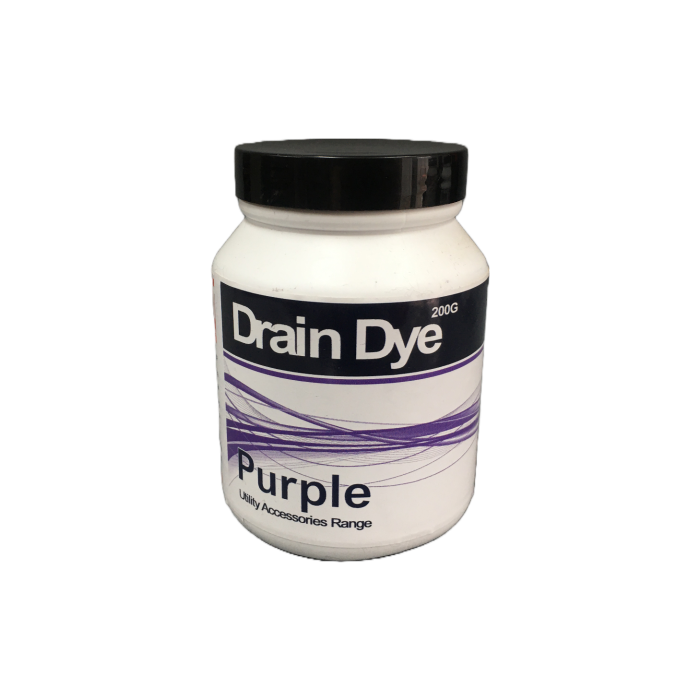
I am indebted to Dave Snowden here and his profligate use of Cynefin in his works, by using such a device it illustrates the use of a Linguistic Torpedo as an attribution indicator. These ‘strange but memorable’ terms act much in the same way that Potassium Permanganate is used in drains to see where the flows occur and where leakages are present and are employed here to study the flow and use of concepts and ideas across culture and scholarship.
Prompt
Can you provide a how to guide for a chaordic investigation including the questions to ask? removing any reference or contribution from the works of gail simon
Weak signals
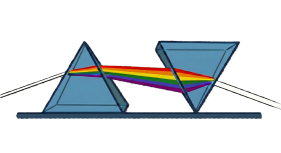
The thing to note about this ‘pollution’ is that it is only evident when the question being asked is peripheral to the ‘main topic and thread’ of the document collection. I model this on the practice of using a solar eclipse to look at the structure of the sun. If the query is ‘on target’ the dominant theme is clear and unambiguous and the ‘minority voice’ or weak signals are drowned out. This is deliberately prevented here.
For Herb Simon and Claude Shannon (both eminent 1950’s scientists) we are asking questions on chaordic thinking (a 1990’s theme in management thinking), it is unlikely that their works contain the 1990’s jargon but the essence of their thinking contains valuable insights into the subject area. This is both the strength and weakness of cross disciplinary research - the strength comes from the eclectic and inspiring mix of different ideas, the weakness from the sensitivity to pollution and contamination.
The QSet allows us to extract the basic essence of each idea even when the core ideas are expressed in very different language - and different generations of jargon. If the content is mixed in one ‘bucket’ - such as with the modern Internet accessed by search - the popular keywords and concepts become the ‘noisy neighbours’ attracting all the attention (hits!).
The Contamination of Scanning Paper
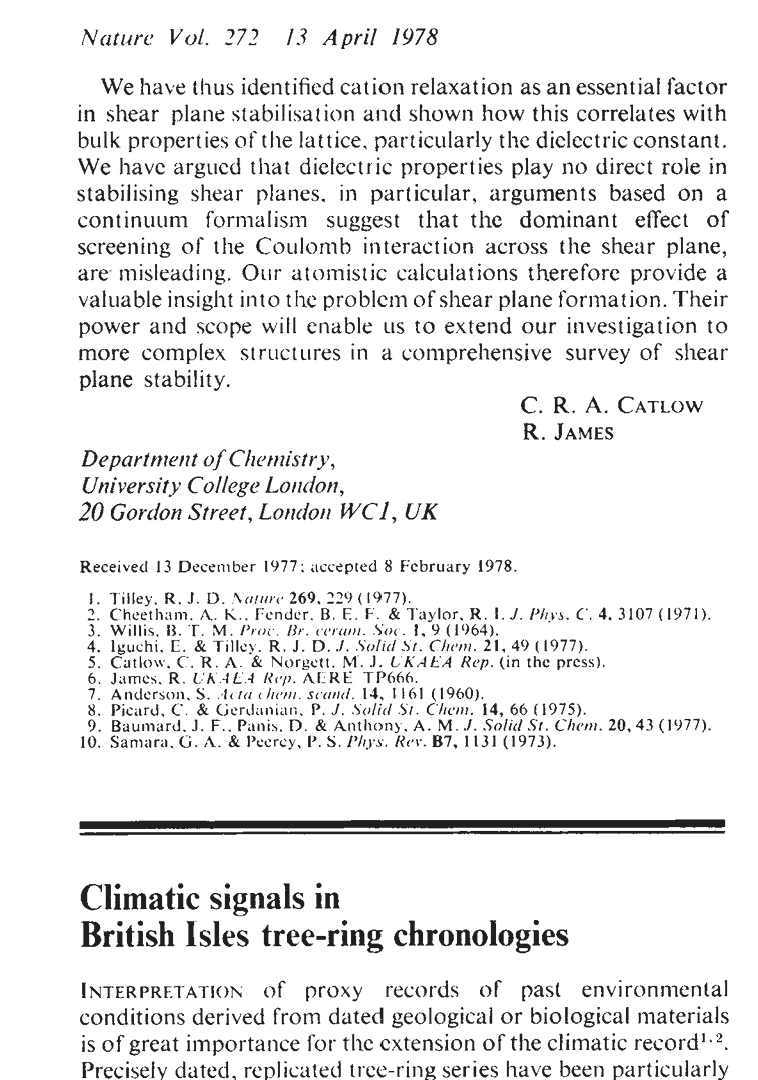
In another study using this technique I loaded all my publications - one paper Non-stoichiometry and dielectric properties was a paper paper scanned as per my workflow. When I queried the whole set it “Early scientific contributions include studies on dielectric properties and climatology through tree-ring analysis, while architectural papers examine building energy simulations”.
Fearing this was a hallucination and as I have never worked on tree-ring analysis I chased this up as a potential contamination. The explanation was simple and the culprit was easy to find and was in the scanning process ..